Chapter 7 · Design
Design the Solution — From Concepts to CDR
Turn intent into schematics, code, and confidence — fast, modular, and documented.
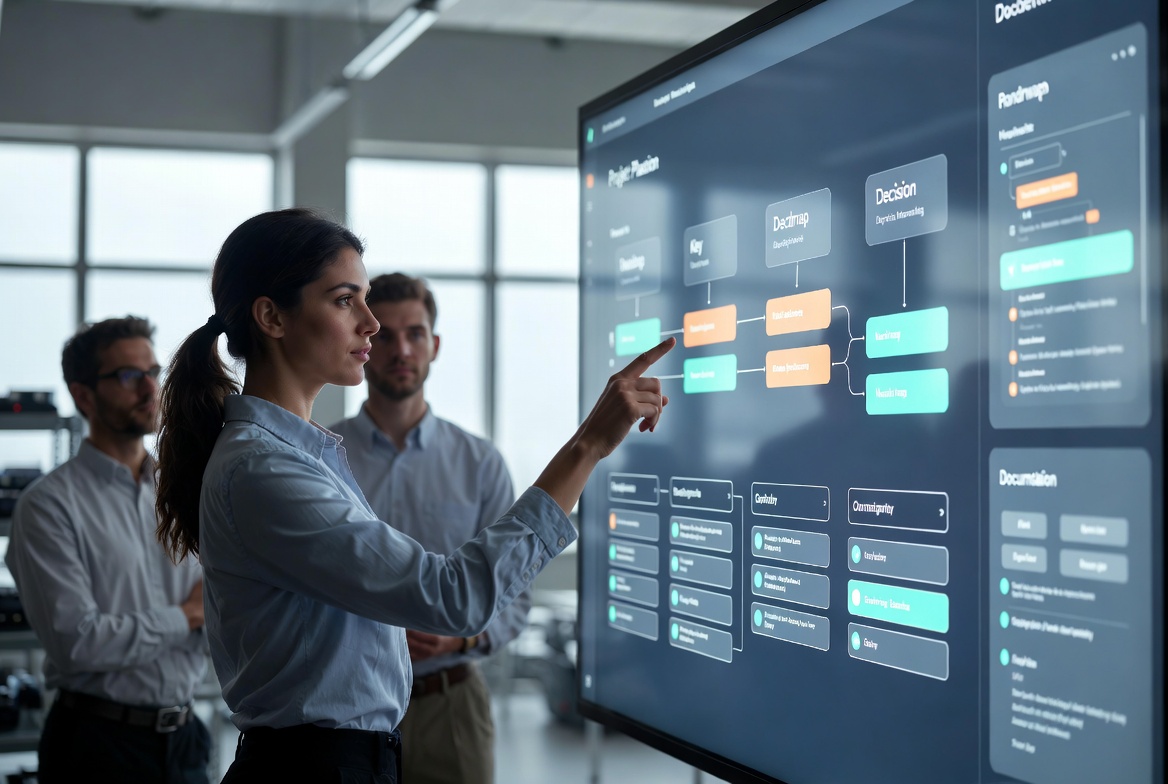
Step Inside
Design is where intent turns into schematics, code, and confidence.
Design is where intent turns into schematics, code, and confidence. Lean on the three allies: Speed (decide, test, learn), Interaction (people and interfaces), and Documentation (capture decisions) — momentum without sacrificing rigor.
Let simplicity lead. The cautionary tale that opens this chapter contrasts Washington's Springfield "mixing bowl" — a $676M monument to over-engineering — with Atlanta's coherent five-level stack that untangled the same problem for a fraction of the cost. Newton's line holds: truth is found in simplicity, not in the multiplicity of things.
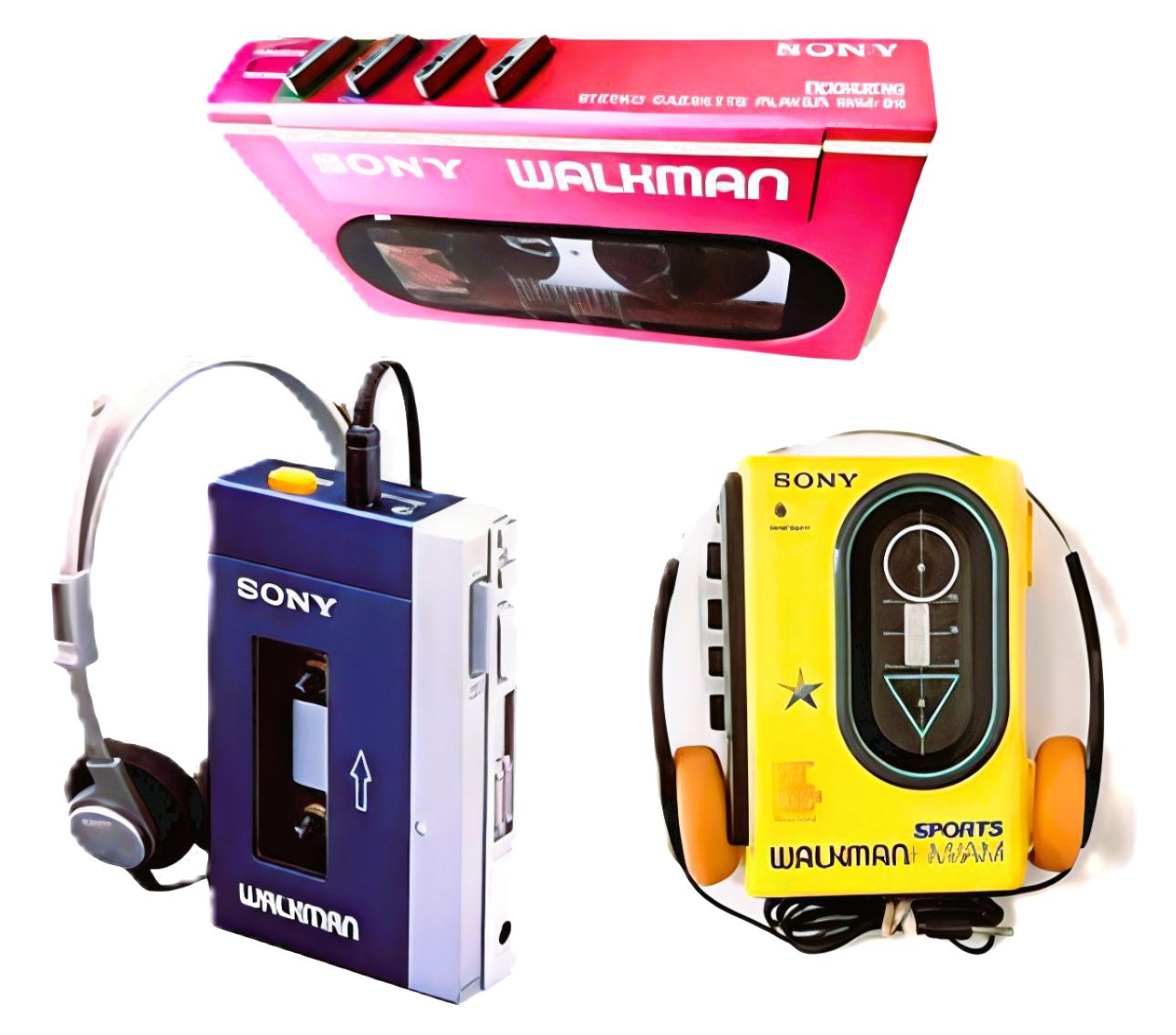
Lock interfaces early and evolve behind them. Sony's Walkman turned a stable core into a platform: 150 million units sold, a new model every ~7 weeks. The secret wasn't constant reinvention — it was a protected core with narrow, explicit interfaces that let teams move fast without stepping on each other.
Prototype to reduce risk and build momentum. Dropbox's 2007 demo video took its waitlist from 5,000 to 75,000 overnight — without shipping a line of production code. The prototype proved the concept and created pull. Build the version that answers the hardest question first.
Keep a living document tree and decision log so learning compounds and decisions stay traceable. Run disciplined PDR/CDR — scheduled early, with entry and exit criteria, not as a last-minute scramble. Favor off-the-shelf first: if you can buy it, do so. And remember: you'll never feel ready. Schedule the review anyway.
"Many decisions are reversible, so go fast… being slow is fatal." — Jeff Bezos
Action Plan
Design with Intent and Purpose
Four steps to get started
-
Get Agile.
If you haven't yet, adopt an Agile rhythm for your team. Invest in training, skilled coaching, and visible tracking tools. Agile isn't just trendy; it's essential for a high-performing knowledge workforce. Check out resources at the RSF Framers Community. -
Schedule your next PDR or CDR today.
Put it on the calendar with clear ownership. Download presentation templates at the RSF Framers Community and circulate early drafts for input. You'll get more feedback than you expect — that's a good thing! -
Request an N² and document tree.
Ask your Chief Engineer for a current N² (interface matrix) and a visual document tree that indicates each document's status: undocumented, partial, or complete. Review progress weekly; accountability sharpens execution. -
Celebrate wins, learn from stumbles.
Design phases are hard work. After each major milestone or review, pause to celebrate as a team. Hold a quick retrospective: what went well, what can be improved. Then carry that learning forward. Extra credit: call out weekly wins at the start of your staff meeting. Watch what happens — it's magic.

Directed Tools and Templates
Design smarter, not harder.
The design phase runs on three hubs. Agile Hub keeps the team in a productive rhythm. SE Hub holds your PDR/CDR templates, N² matrix, and document tree. Design Hub covers modularity, prototyping checklists, and interface control.
Self-Assessment
Design-Phase Health Check
The design phase is where intent becomes a buildable product — or where risk quietly gets postponed to the build. This scores the six disciplines of a right-sized design phase separately, so you can see which is carrying the work and which is putting it at risk. Answer honestly; it's a mirror, not a report card.
1 = Never true · 2 = Rarely · 3 = Sometimes · 4 = Often · 5 = Consistently — answer honestly. This is a mirror, not a report card.
References & Further Study
Go Deeper
- bookThe Toyota Product Development System
- bookProduct Design for Manufacture and Assembly
- bookAccelerate
- article
- articleMcKinsey — How Agile can help in hardware and software development
- article
- videoManufacturing Happy Hour (podcast)
- videoHardware to Save a Planet (Synapse podcast)