About
Build Enough Process to Succeed — Not So Much That You Stop Moving
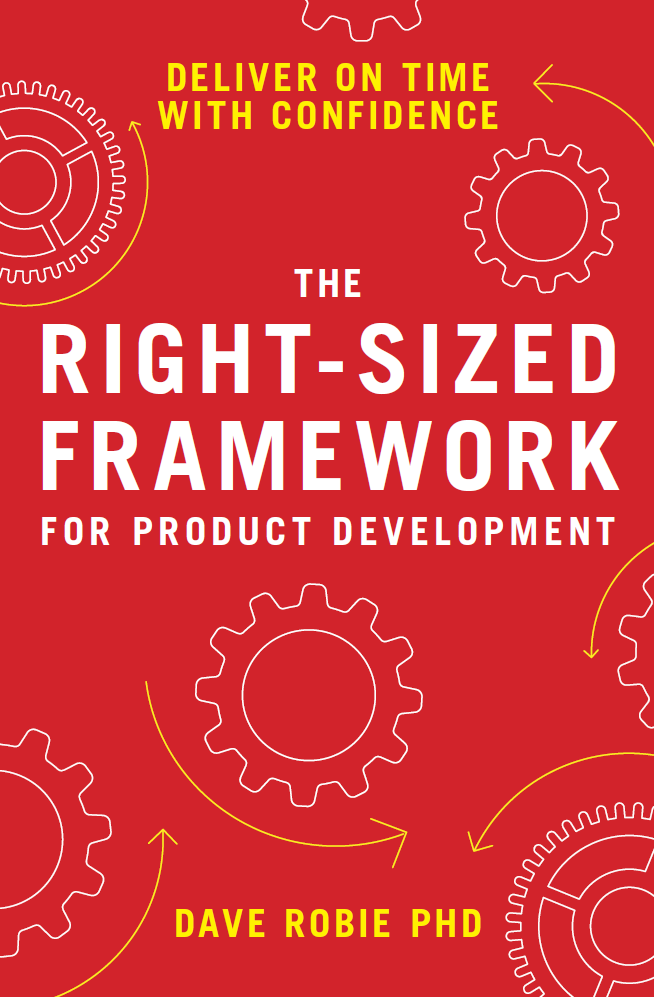
The Right-Sized Framework helps technical and business leaders create enough structure to coordinate teams, manage risk, and deliver products — without importing the bureaucracy of a much larger organization.
Why the Framework Exists
The middle path between chaos and bureaucracy
Growing companies reach a point where informal execution stops working — but the heavyweight processes built for much larger organizations are just as wrong for them. Teams tend to fall into one of two traps.
Too little process looks like unclear ownership, rework, missed interfaces between teams, and surprises that show up late — when they're expensive to fix.
Too much process looks like meetings, gates, documents, and approvals that exist to protect the process rather than the product — overhead that slows the organization down without making the product any better.
The Right-Sized Framework is the middle path: enough discipline to coordinate complex work, but only the process that actually contributes to getting the product into customers' hands.
What the Framework Helps Leaders Do
Practical outcomes, not more process for its own sake
- Turn an idea into an executable project.
- Align cross-functional teams around clear outcomes.
- Identify the work that actually reduces project risk.
- Build and test a minimum viable product.
- Use market feedback to refine the product.
- Establish repeatable workflows as the organization grows.
- Maintain engineering rigor without creating unnecessary bureaucracy.
The Philosophy Behind "Right-Sized"
Right-sized doesn't mean smaller. It means matched to the problem.
"Right-sized" does not mean:
- Less engineering.
- Less accountability.
- Skipping documentation.
- Moving fast and hoping for the best.
It means applying the appropriate level of structure to the actual problem in front of you. A small team validating an early product shouldn't operate like a 10,000-person aerospace program. A growing technical organization can't keep relying entirely on hallway conversations and individual heroics, either.
The framework helps leaders recognize when additional structure creates value — and when it merely creates overhead.